Yuan Internationalization: Will Africa Become the Gateway to End Dollar Dominance?
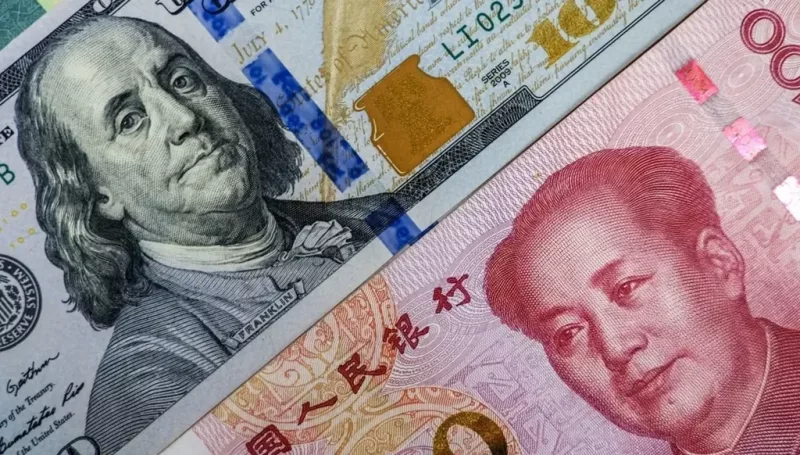
China is accelerating efforts toward yuan internationalization through the African continent in a strategic attempt to reduce reliance on the US dollar in trade and finance.
Zambia’s decision to allow Chinese mining firms to pay taxes in the Chinese currency marked a significant milestone in this direction.
Beijing is the largest trading partner for most African nations, giving it strong leverage to expand the use of its currency.
Analysts consider the move another success in the path of yuan internationalization, especially as more governments accept settling obligations in currencies other than the dollar.
Kenya previously converted part of its dollar-denominated debt into yuan, while Ethiopia is holding similar talks with Beijing.
African officials argue that diversifying payment currencies helps shield their economies from US policy shocks and interest-rate volatility.
Jito Kayumba, adviser to the Zambian president, said broader use of the Chinese currency offers greater protection, noting that excessive dependence on the dollar exposes developing countries to sharp exchange-rate risks and higher financing costs.
Observers believe Zambia’s experience could encourage other nations to follow, strengthening the Chinese currency’s role in commodity markets.
With rising Chinese investment in infrastructure and energy, Africa appears central to the battle of yuan internationalization and the reshaping of the global financial order.