China to Abolish Tariffs on African Imports Starting May
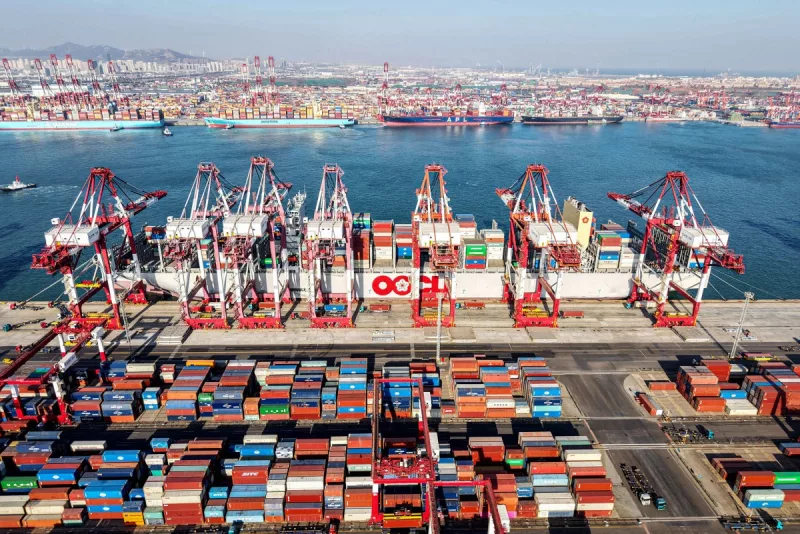
Beijing is set to expand its tariff exemption policy by implementing a comprehensive abolition of tariffs on imports from most African countries starting May 1.
The move signals a strategic shift in China’s trade policy toward the continent at a time of mounting global protectionism and economic uncertainty.
President Xi Jinping announced that the abolition of tariffs will apply to 53 African nations maintaining diplomatic relations with China, excluding Eswatini.
The decision builds upon an existing framework that previously granted duty-free access to 33 African countries.
Strengthening China–Africa Trade Ties
China remains Africa’s largest trading partner, with bilateral trade reaching hundreds of billions of dollars annually.
The abolition of tariffs is expected to facilitate greater access for African goods to the Chinese market, stimulating economic growth across the continent.
This initiative also aligns with China’s Belt and Road Initiative, which finances major infrastructure projects across Africa, including ports, railways, and highways.
The policy underscores Beijing’s commitment to deepening economic integration with emerging markets.
Economic Implications Amid Rising Protectionism
The abolition of tariffs comes amid heightened global trade tensions and increased tariff measures worldwide.
China positions this decision as a reaffirmation of its support for free trade and a multilateral trading system.
Analysts suggest the measure will enhance the competitiveness of African exports in sectors such as agriculture, natural resources, and light manufacturing.
It may also encourage further Chinese investment flows into African economies.
Political Dimensions and Eswatini Exclusion
Eswatini has been excluded from the abolition of tariffs due to its diplomatic ties with Taiwan, reflecting Beijing’s adherence to the “One China” policy.
This highlights how trade policies can intersect with geopolitical considerations.
Observers believe the move will strengthen China’s influence in Africa, particularly as many African nations seek diversified trade partnerships beyond traditional Western markets.
The tariff-free policy is widely expected to boost trade volumes, foster industrial development, and create new employment opportunities, reinforcing China’s long-term strategic engagement with Africa.