Analysis: Xi-Trump Meeting a Strategic Win for Beijing Regardless of Outcome
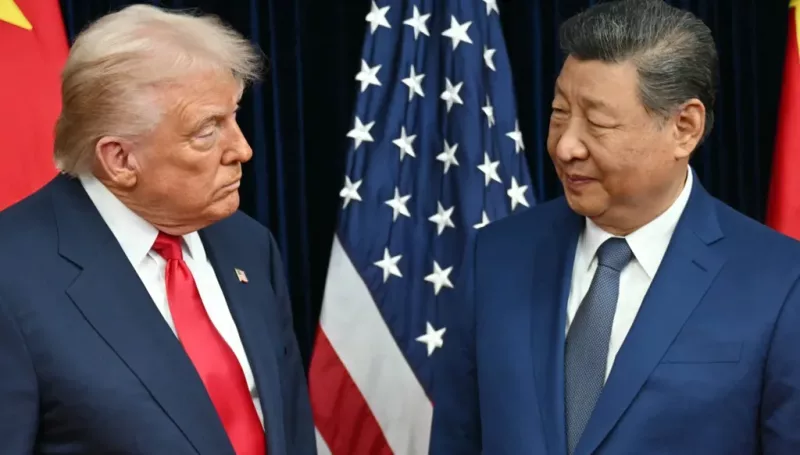
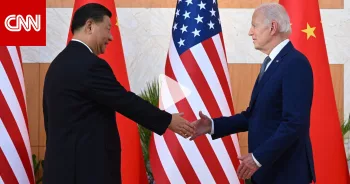
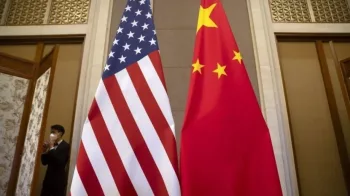
Analysts believe the upcoming meeting between Chinese President Xi Jinping and US President Donald Trump represents an important opportunity for Beijing to present itself as an equal power to Washington, regardless of the actual outcomes of the talks.
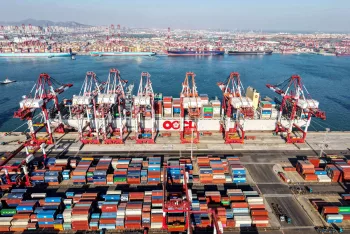
The trade war and tariffs imposed by the United States have challenged Xi’s growth and innovation agenda, yet they have also highlighted China’s ability to respond and maneuver economically.
Following US restrictions on technology and shipping, Beijing expanded controls on rare earth exports, prompting Washington to threaten additional 100 percent tariffs before tensions eased after last-minute talks in Malaysia.
The two leaders are expected to meet on the sidelines of an international summit in South Korea, marking their first face-to-face encounter in Trump’s second term, with hopes of agreeing on a framework to manage economic ties.
Beijing views US policy as an attempt to curb its rise through sanctions and tech limits, but China has diversified its trade, reduced reliance on the American market and accelerated domestic innovation.
Chinese experts argue that Beijing is now better prepared for competition and that the balance of power has shifted compared with eight years ago.
Despite positive signals after recent negotiations, disputes over tariff relief and export controls remain, and much will depend on the personal chemistry between the two leaders and their ability to preserve a fragile truce.
The trade war and tariffs imposed by the United States have challenged Xi’s growth and innovation agenda, yet they have also highlighted China’s ability to respond and maneuver economically.
Following US restrictions on technology and shipping, Beijing expanded controls on rare earth exports, prompting Washington to threaten additional 100 percent tariffs before tensions eased after last-minute talks in Malaysia.
The two leaders are expected to meet on the sidelines of an international summit in South Korea, marking their first face-to-face encounter in Trump’s second term, with hopes of agreeing on a framework to manage economic ties.
Beijing views US policy as an attempt to curb its rise through sanctions and tech limits, but China has diversified its trade, reduced reliance on the American market and accelerated domestic innovation.
Chinese experts argue that Beijing is now better prepared for competition and that the balance of power has shifted compared with eight years ago.
Despite positive signals after recent negotiations, disputes over tariff relief and export controls remain, and much will depend on the personal chemistry between the two leaders and their ability to preserve a fragile truce.