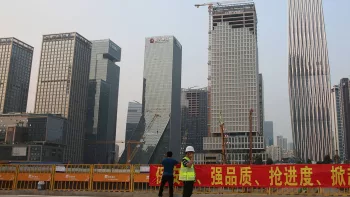
Active Fiscal Policy Drives China’s Growth Plans for 2026
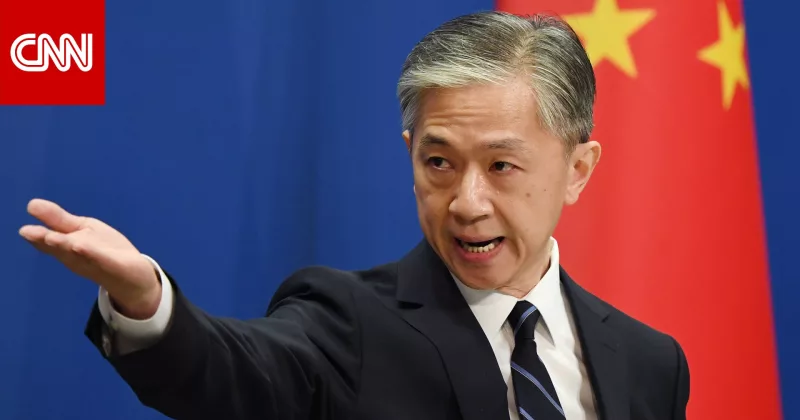
China’s Ministry of Finance announced the adoption of a more active fiscal policy in 2026, signaling a renewed push to support economic growth and strengthen financial stability through broad-based stimulus measures.
The active fiscal policy includes issuing special long-term government bonds, with proceeds allocated to major national strategic projects, large-scale equipment upgrades, and consumer goods replacement programs aimed at boosting domestic demand.
Officials said the active fiscal policy will also support consumption through interest subsidies on loans for households and businesses, following discussions held after the Central Economic Work Conference.
At the same time, authorities pledged to curb local government debt risks, enforcing a strict ban on illegal additions to so-called hidden debt to preserve long-term financial sustainability.
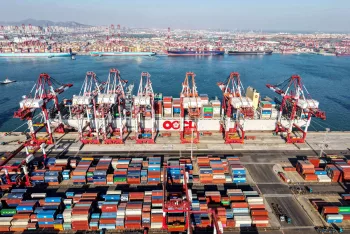
These measures come as China’s trade surplus surpassed one trillion dollars for the first time in the first eleven months of 2025, driven by stronger exports to Europe, Australia, and Southeast Asia, while shipments to the United States declined sharply.
Customs data showed exports rebounded strongly in November, alongside moderate import growth, underscoring the resilience of China’s external trade amid global economic shifts.