China’s IVF Policy Struggles to Boost Birth Rates
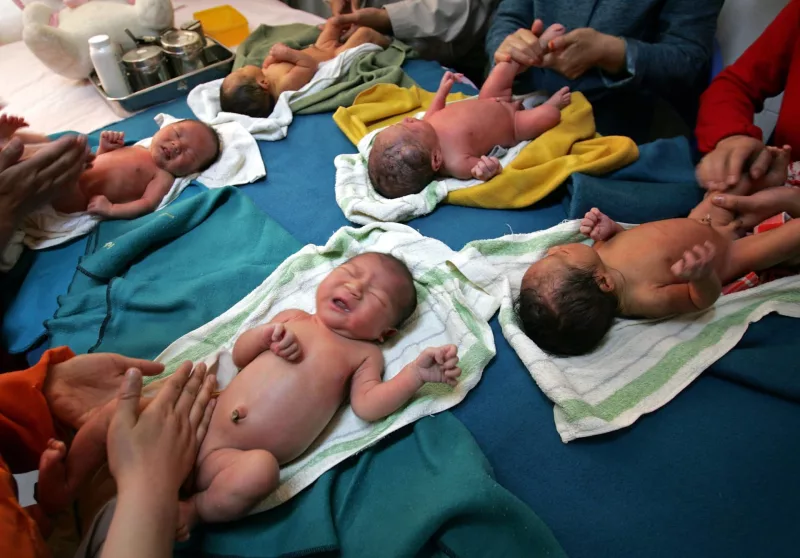
IVF has become a central pillar in China’s efforts to address declining birth rates, yet real-life experiences highlight a clear gap between policy announcements and actual outcomes.
After years of trying to conceive, a Chinese business owner spent tens of thousands of yuan on IVF treatments, hoping that new government-backed insurance coverage would ease the financial burden.
That optimism quickly faded, as insurance programs in some provinces cover only a limited number of basic procedures.
While early stages such as egg retrieval and embryo development are included, other costly but essential services for successful IVF—including imported medications, genetic testing and embryo freezing—remain excluded.
Implementation Challenges
This selective coverage underscores the gap between Beijing’s intention to support family formation and the realities faced by households.
Despite IVF being added to public insurance schemes, out-of-pocket expenses remain high, reducing the policy’s potential impact on fertility trends.
Economic and Social Implications
China’s struggle comes amid mounting demographic pressures, including an aging population and a shrinking workforce.
Analysts argue that expanding IVF coverage to include comprehensive services could play a meaningful role in a broader economic strategy aimed at sustaining long-term growth and social stability.